
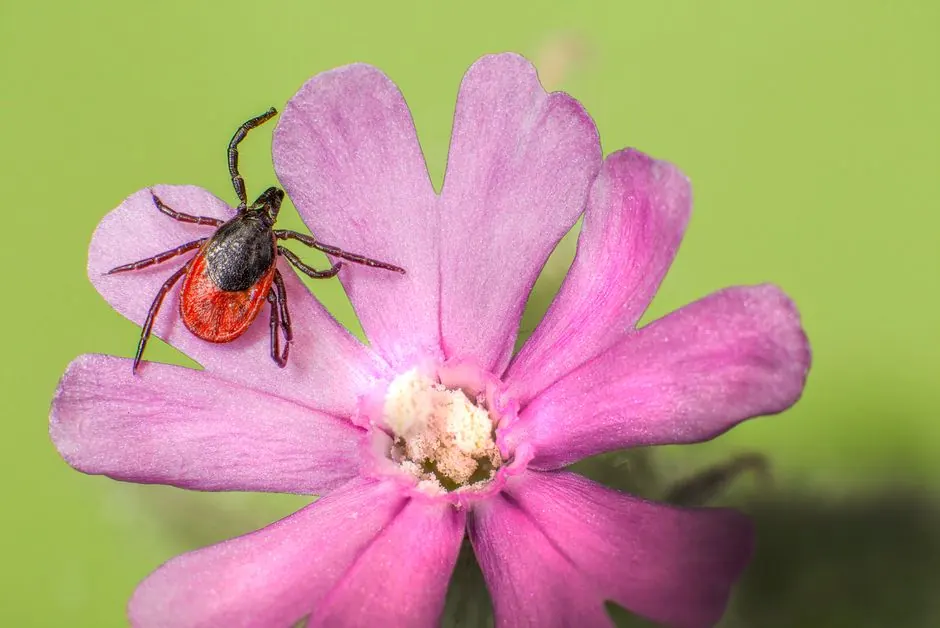
As the temperatures rise in Yuma, so does the risk of flea and tick infestations. These pests can not only irritate your pets but also pose health risks to both animals and humans. This guide will help you prepare for flea and tick season, outlining effective prevention and treatment strategies tailored for Yuma residents.
Understanding Fleas and Ticks
Fleas and ticks are common pests that thrive in warm climates, making Yuma a prime location for their proliferation. Fleas are small, wingless insects that feed on the blood of mammals and birds, while ticks are arachnids that attach to the skin of their hosts. Understanding their life cycles is crucial in combating these pests effectively.
Fleas can reproduce rapidly, with a single female laying up to 50 eggs per day. Their life cycle includes several stages: egg, larva, pupa, and adult. Ticks, on the other hand, require a host to transition through their life stages, which can include larva, nymph, and adult forms. Both pests can carry diseases that affect pets and humans, such as Lyme disease and tapeworms.
Signs of Infestation
Being aware of the signs of flea and tick infestations is essential for early intervention. Common indicators include:
- Frequent scratching: Pets may scratch or bite at their skin excessively.
- Flea dirt: Small black specks in your pet's fur or bedding can indicate flea presence.
- Ticks on pets: Ticks can be found attached to your pet's skin, often in warm areas like the ears or underarms.
- Unexplained rashes: Humans may develop rashes or irritation from flea bites.
If you notice any of these signs, it's crucial to act quickly to prevent a larger infestation.
Preventative Measures
Preventing fleas and ticks is often easier than dealing with an infestation. Here are effective strategies to keep your home and pets safe:
- Regular grooming: Brush your pets regularly to remove fleas and ticks before they can attach.
- Use preventative treatments: Apply veterinarian-recommended flea and tick treatments, such as topical solutions or collars.
- Maintain a clean environment: Vacuum your home frequently, especially areas where pets spend time, and wash bedding regularly.
- Yard maintenance: Keep your yard tidy by mowing the lawn and trimming bushes, as ticks thrive in tall grass.
Implementing these measures can significantly reduce the likelihood of an infestation.
Flea and Tick Treatments
If you find yourself dealing with fleas or ticks, there are several treatment options available:
- Flea & Tick Treatments in Arizona: Professional pest control services can provide targeted treatments to eliminate infestations.
- Over-the-counter products: There are various sprays, powders, and shampoos that can kill fleas and ticks on contact.
- Environmental treatments: Consider treating your yard with insecticides designed to kill fleas and ticks.
For effective results, consult with professionals like Arizona Pest Pros to determine the best course of action.
Common Mistakes to Avoid
When dealing with fleas and ticks, many homeowners make mistakes that can exacerbate the problem. Here are some common pitfalls:
- Ignoring early signs: Delaying action at the first sign of fleas or ticks can lead to a larger infestation.
- Inconsistent treatment: Failing to follow through with preventative measures can allow pests to return.
- Using ineffective products: Not all products are equally effective; choose those specifically designed for fleas and ticks.
When to Call a Professional
If your efforts to control fleas and ticks are unsuccessful, it may be time to call in the experts. Arizona Pest Pros offers comprehensive Flea & Tick Treatments in Arizona that can help eliminate these pests from your home and yard. Our team is trained to identify the source of infestations and apply effective solutions tailored to your needs.
Frequently Asked Questions
What are the best preventative measures for fleas and ticks?
Regular grooming, using preventative treatments, and maintaining a clean home and yard are the best ways to prevent infestations.
How can I tell if my pet has fleas or ticks?
Look for excessive scratching, flea dirt, or ticks attached to their skin. If you notice any of these signs, act quickly.
What should I do if I find fleas or ticks in my home?
Start by treating your pets with appropriate products and thoroughly cleaning your home. If the problem persists, consider contacting a professional.
Are flea and tick treatments safe for my pets?
Most veterinarian-recommended treatments are safe when used as directed. Always consult your vet for advice tailored to your pet's needs.
How often should I treat my pets for fleas and ticks?
Consult your veterinarian for a treatment schedule. Many products require monthly application during peak seasons.